

By Tim Johnson, CFRE, CFRM
I sat there in a little Cessna 172, ready to solo. With the Top Gun theme running through my head, I pushed the throttle in, looked over at the empty right seat, and mumbled, “Talk to me, Goose.” Then I flew three takeoffs and landings, alone. I didn’t get a callsign waiting on the ramp. I got the back of my shirt cut off instead. Nobody picks their own callsign. Somebody else has to watch you fly first, then decide what to call you.
That’s stuck with me longer than the flight itself has.
A couple of weeks ago, I wrote about how I stumbled into a different way of thinking about fundraising: not as an ask, but as discipleship. While the Bible has plenty of rules and commands, most of what it teaches us about who we should be doesn’t come through those. It comes through the stories of actual people. So this is the first in a series I’m calling Portraits: real people from Scripture whose giving grew out of who they were becoming, not what someone needed from them. We start with a man who never got to name himself either, and who might be one of the New Testament’s most important people, even though the Bible barely gives him a spotlight.
 Why Did the Apostles Give Him a New Name?
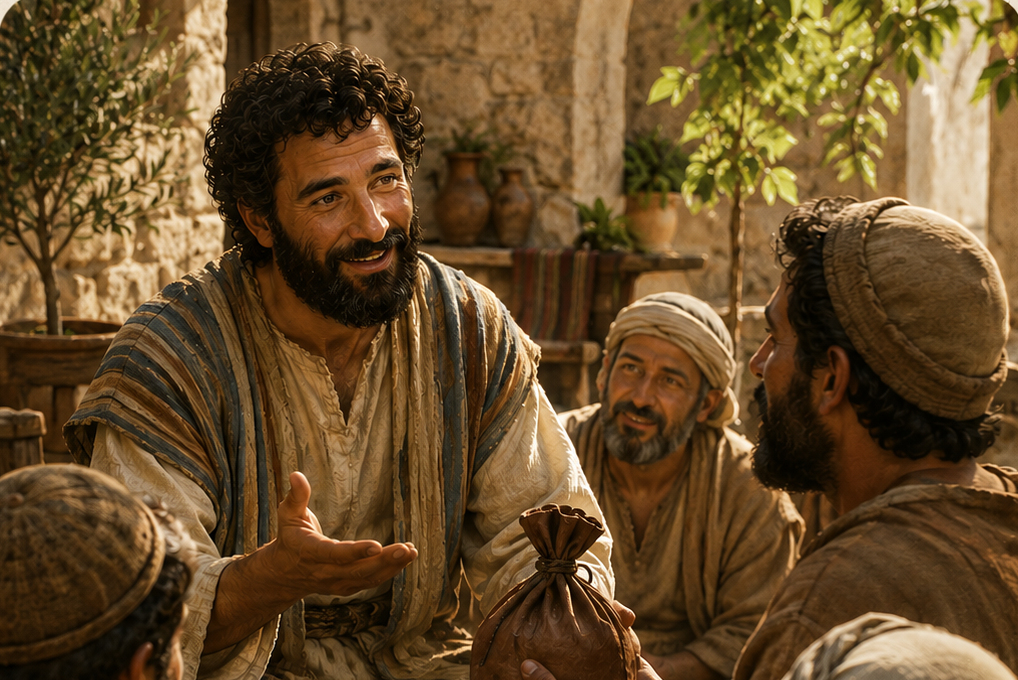
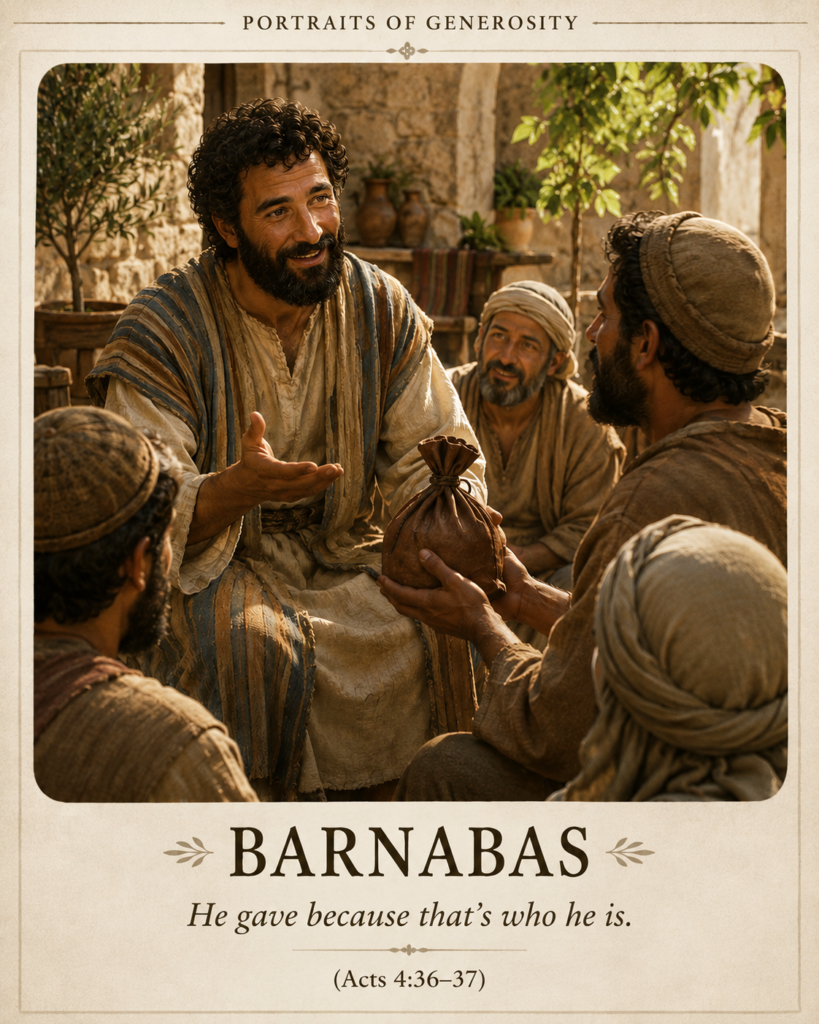
His name was Joseph, a Levite born on the island of Cyprus: a diaspora Jew, not Jerusalem royalty. The apostles gave him a new name: Barnabas, “son of encouragement.” Not a name his parents chose. A callsign, essentially. Earned in the air, not assigned on the ground. Before Acts records him giving anything, Luke has told us who he was.
What Made Barnabas’s Gift More Than a Transaction?
Acts 4:36–37 records it in two verses: Barnabas sold a field he owned and laid the full proceeds at the apostles’ feet. It’s easy to read past, until Ananias and Sapphira do something that looks identical two verses later, and it costs them their lives. The two stories sit side by side on purpose. The gift wasn’t the point. What the gift revealed was the point.
That’s discipleship fundraising in miniature. Barnabas didn’t sell a field because someone made a compelling ask. He sold it because giving was already consistent with who he’d become. Identity comes before the ask, not after it. And once you see character work like that, you start noticing it wasn’t a one-time thing.
What If Barnabas Had Never Shown Up?
What if Barnabas hadn’t been around?
When Saul of Tarsus, the church’s most feared persecutor, showed up in Jerusalem, the apostles wanted nothing to do with him. Barnabas took him in and vouched for him anyway (Acts 9:26–27). Without that vouching, there may be no Apostle Paul.
When the gospel broke out among Gentiles in Antioch, Jerusalem sent Barnabas to check on it. He didn’t just approve. He found Saul in Tarsus and brought him in to help lead it (Acts 11:22–26). That partnership fueled the Gentile mission.
And when Barnabas and Paul later split over whether to give John Mark a second chance after Mark had abandoned them, Barnabas took Mark anyway (Acts 15:36–39). Years later, Paul calls that same Mark “useful to me for ministry” (2 Timothy 4:11).
Barnabas never wrote an epistle or has a Gospel bearing his name. He shows up in Acts mostly as the person standing next to someone else’s story, and that’s the point. His giving was never the biggest thing about him, one expression of a larger pattern: he saw potential in people others had written off, and backed that judgment with his own resources, reputation, and name.
That’s not a one-time act of generosity. That’s a whole life running on the same rule Barnabas got his name by: what you give away tells people who you already are. So, what would you be called, once people had watched you long enough to know?
P.S. No, I did not buzz the tower.
Further Reading
- “Barnabas—Son of Encouragement,” The Gospel Coalition
- Russell James, Encourage Generosity
Discussion Questions
On your social media, share a link to this blog post with the answer to one or more of these questions. Or, you can leave a comment on our social media posts, specifically Instagram or Facebook.
- What name do you think your friends and acquaintances would give you?
- Where is God asking you to vouch for someone others have already written off?
- What would be important enough for you to sell your property and give the proceeds to?